
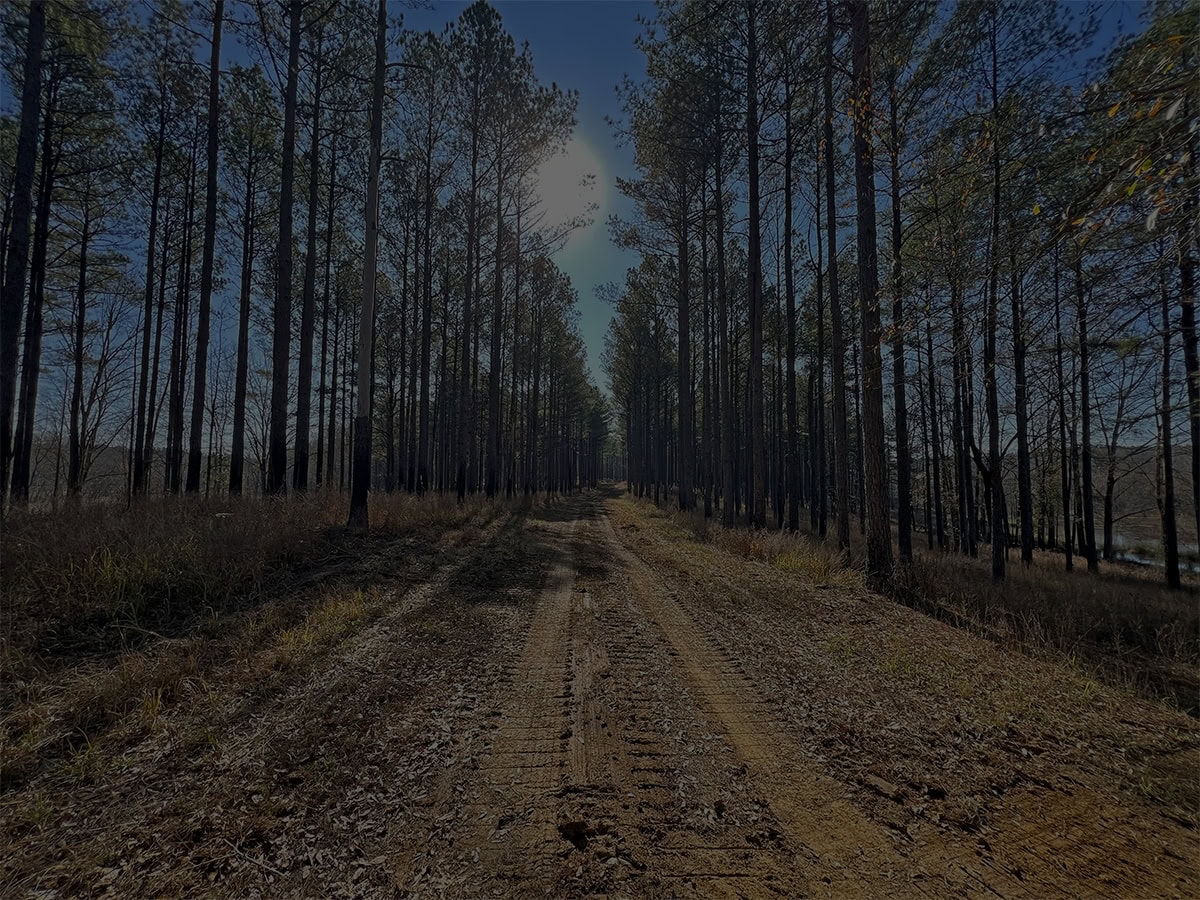
Smart Land Management Starts with Observation: Brad Farris’ First-Year Strategy for New Landowners
Brad Farris | Land Agent
VIDEO SUMMARY
When purchasing rural property, whether it’s hunting land, recreational acreage, or a long-term investment, one of the most common mistakes buyers make is jumping into major improvements too quickly. According to Brad Farris of SWAPA Land®, the most valuable thing you can do in your first year of ownership is simple: slow down and learn your land.
Why the First Year Matters
Every tract of land has its own rhythm. Deer movement, turkey patterns, prevailing winds, bedding areas, and food sources all work together in ways that aren’t always obvious at first glance. Spending a full season observing these patterns, through hunting, scouting, and time in the field, allows landowners to make informed decisions instead of costly assumptions.
Rather than rushing into timber harvests, large-scale clearing, or aggressive habitat changes, Brad emphasizes patience. Understanding how wildlife naturally uses your property provides the foundation for effective, long-term land management.
Identifying Missed Opportunities in the Field
In this example, Brad evaluates a food plot that, while ideal for turkeys, wasn’t producing consistent daylight deer activity. Located on a ridge top—an excellent choice for managing wind direction, the plot had strong potential but lacked one key element: nearby bedding cover.
Deer were traveling from 250–300 yards away, often arriving too late in the evening to create reliable hunting opportunities. The solution wasn’t to relocate the plot; it was to enhance the surrounding habitat.
Creating Strategic Bedding Areas
By studying deer movement patterns, Brad identified the primary direction of travel and began creating a transition zone between bedding and feeding areas. His approach included:
- Selective Tree Cutting: Removing specific trees with large canopies to increase sunlight penetration
- Girdling and Herbicide Application: Controlling less desirable species to promote new growth
- Encouraging Early Succession Habitat: Allowing native browse and cover to regenerate naturally
The goal wasn’t to create a large bedding area, but rather a small, secluded holding zone—a place where one or two deer, or even a buck with a doe during the rut, would feel comfortable staging before entering the food plot.
The Power of Sunlight and Regrowth
Introducing sunlight to the forest floor is one of the most effective ways to stimulate natural habitat. As vegetation responds, it creates both food and cover—two critical components for attracting and holding deer.
Within just one year, early signs of success are visible. As the area continues to thicken, it’s expected to become even more effective at encouraging daylight movement.
Maintaining Habitat with Prescribed Fire
Long-term success doesn’t stop at initial improvements. Brad plans to maintain this bedding area using prescribed fire every 2–3 years, helping to:
- Control invasive and undesirable species
- Promote fresh, nutrient-rich vegetation
- Maintain ideal bedding cover structure
This cycle of disturbance and regrowth is essential for sustaining productive wildlife habitat over time.
Ridge-Top Food Plots: A Strategic Advantage
Another key takeaway is the importance of food plot placement. By positioning plots on ridge tops, landowners can better manage swirling winds often found in low-lying areas. This improves huntability and reduces the risk of spooking game—especially mature bucks.
A Long-Term Approach to Land Stewardship
Effective land management isn’t about quick fixes—it’s about making thoughtful, strategic decisions that improve your property year after year. By combining patience, observation, and targeted habitat work, landowners can unlock the full potential of their land.
Whether you’re managing for whitetail deer, wild turkey, or overall recreational use, this approach ensures your property works with nature—not against it.
Looking to Buy or Improve Land?
At SWAPA Land®, we help buyers and landowners make informed decisions that maximize both enjoyment and long-term value. From identifying the right property to implementing proven land management strategies, our team is here to guide you every step of the way.
Explore available properties or connect with a SWAPA Land Agent today to start building your vision for the land.
FULL TRANSCRIPT
Click To Expand Full Transcript
[00:00:00:00 - 00:00:34:24] Brad Farris
You know, a question that we get a lot dealing with buyers and sellers of land, going on places—what about this, what about that? My biggest suggestion to anyone when they buy a piece of land is don’t do anything drastic the first year. Hunt there for a whole season—deer, turkey—and just kind of learn the place, learn the habits of the deer, and learn what you're doing. You don’t want to go to a timber cut or do a bunch of timber stand improvement practices just to be doing it. I know everybody’s excited, just like I was, and I’ve made some mistakes doing that.
[00:00:34:24 - 00:00:53:27] Brad Farris
But this is a food plot that I built here, and I noticed the deer just were not using it like I wanted. It’s kind of in the middle of the place with a lot of big open woods. Turkeys love it here, but for deer, I felt like I needed to create some habitat where not a bunch of deer would bed, but maybe hold a deer or two—or during the rut, a buck with a doe—that kind of thing.
[00:00:53:27 - 00:01:16:14] Brad Farris
I figured out where they like to come from, which would be more of this north and northwest side of this plot. Let me show you what I did after living with this and not really getting a lot of deer here in the daylight. This was my attempt. It’s only one year old and didn’t really do much because of the acorns, but I think over time, when it gets thicker like the spots we saw earlier, it’s going to be good.
[00:01:16:14 - 00:01:20:06] Brad Farris
Come here. I’ll show you.
[00:01:20:09 - 00:01:34:26] Brad Farris
Right here, we’re about 200 yards from the plot, and you can kind of see that daylight on that ridge up there. That plot is on top of a ridge, and I think that’s important too. I always try to stay on top of ridges because when you get down in these bottoms, that swirl will just drive you crazy.
[00:01:34:26 - 00:01:50:12] Brad Farris
So I try to do all my food plots on ridges where I can. Now you can see we came in here—me and my son-in-law Sam—and I got a little more aggressive in here because this is only one year old. Some of these big beech trees had these big crowns, and we cut some of them down.
[00:01:50:14 - 00:02:06:22] Brad Farris
And you see this one here—a lot of them, it’s wintertime, so a lot of them are dead. I killed a lot of them. You can see where I took a chainsaw and girdled it right there, then sprayed it with chemical. So a lot of these are all up through here, and these would die naturally.
[00:02:06:22 - 00:02:27:09] Brad Farris
But I just wanted to get the sun to the ground to try to get deer living right here and maybe get into that food plot 30 minutes to an hour before dark. Before, they were having to come from another 250 to 300 yards farther away. By the time they got up and started feeding, I was just trying to get them a little closer here where I could come in and out without spooking them.
[00:02:27:10 - 00:02:47:27] Brad Farris
This is completely secluded, and this is after one year. What I’ll do when I start getting some gum and stuff coming back in here, I’ll just run a fire through it probably every two or three years—probably every two years—and kind of keep it set back. Hopefully I can keep this as a bedding-type place for years to come and maybe even make it bigger.
[00:02:47:27 - 00:02:48:07] Brad Farris
Probably.
RELATED VIDEOS
ROAD MANAGEMENT: Enhancing Soil Health and Wildlife Habitats
CHIPPER GIBBES | ACCREDITED LAND CONSULTANT
INVASIVE PLANTS: Protect Native Wildlife and Enhance Your Habitat
CHIPPER GIBBES | ACCREDITED LAND CONSULTANT